
Quick Answers






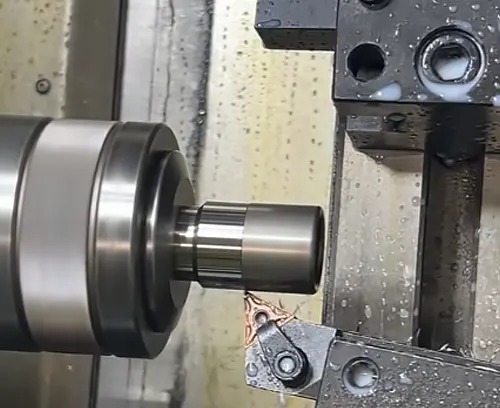

How do you machine a spiral or helical square hole?
Creating a spiral or helical square hole can be challenging in manufacturing, but with the proper techniques and tools, it is achievable.
We will explore the process of machining a spiral or helical square hole, including the steps, required tools, and tips for achieving high-quality results.
Introduction to Spiral or Helical Square Holes
Spiral or helical square holes are commonly used in various applications such as aerospace, automotive, and industrial machinery.
These types of holes provide unique advantages in terms of strength, stability, and alignment compared to traditional circular holes.
However, machining a spiral or helical square hole requires precise planning and execution to ensure that the final result meets the necessary specifications.
In the following sections, we will discuss the techniques and methods for machining spiral or helical square holes in detail.
Step-by-Step Guide to Machining Spiral or Helical Square Holes
1. Design the Hole: The first step in machining a spiral or helical square hole is to design the hole itself. This includes determining the hole dimensions, pitch, and depth based on the specific requirements of the application.
2. Select the Right Tooling: Once the hole design is finalized, the next step is to select the appropriate tooling for the job. This may include end mills, drills, reamers, or specialized cutting tools designed for machining square holes.
3. Set Up the Machine: Before starting the machining process, it is crucial to set up the machine properly. This includes securing the workpiece, aligning the tooling, and adjusting the cutting parameters such as speed, feed rate, and depth of cut.
4. Start Machining: With the machine set up, it is time to start machining the spiral or helical square hole. This may involve multiple passes, each incrementally deeper than the last, to achieve the desired shape and dimensions of the hole.
5. Check for Accuracy: Throughout the machining process, it is essential to periodically check the accuracy of the hole using measurement tools such as calipers, micrometers, or CMM equipment. This ensures that the hole meets the required tolerances and specifications.
6. Finish the Hole: Once the machining process is complete, it is time to finish the hole to ensure smooth surfaces and sharp corners. This may involve deburring, polishing, or other finishing techniques depending on the application requirements.
Tools and Equipment for Machining Spiral or Helical Square Holes
Several tools and equipment are commonly used in machining spiral or helical square holes, including:
– End mills: Solid carbide end mills with square or corner radius geometry can be used to rough out the hole shape before finishing with specialized tools.
– Drills: Twist drills or indexable drills can be used to remove material quickly and efficiently, especially in the initial stages of machining the hole.
– Reamers: Straight or helical reamers can be used to achieve precise dimensions and surface finishes in the final stages of machining the hole.
– Specialized cutting tools: There are specialized cutting tools available in the market specifically designed for machining square holes, such as broaches, slotting cutters, or custom-made tools.
Tips for Achieving High-Quality Spiral or Helical Square Holes
1. Use High-Quality Tooling:
Investing in high-quality tooling is essential for achieving accurate and precise square holes. Cheap or worn-out tools can result in poor surface finishes, dimensional inaccuracies, and tool breakage.
2. Proper Chip Evacuation:
Ensuring proper chip evacuation is crucial when machining spiral or helical square holes. Built-up chips can cause tool damage, poor surface finishes, and even dimensional inaccuracies.
3. Optimize Cutting Parameters:
Adjusting cutting parameters such as speed, feed rate, and depth of cut can significantly impact the quality of the machined hole. Experimenting with different parameters and optimizing them for the specific material and tooling can improve results.
4. Implement Coolant Systems:
Using coolant during the machining process can help to dissipate heat, reduce friction, and improve chip evacuation. This can extend tool life, improve surface finishes, and prevent workpiece deformation.
Conclusion
Machining a spiral or helical square hole requires careful planning, precise execution, and the right tools and equipment.
By following the step-by-step guide outlined in this article and implementing the tips provided, engineers with a manufacturing background can achieve high-quality square holes that meet the requirements of their applications.
With practice and experience, machining spiral or helical square holes can become a routine and efficient process in any manufacturing environment.